
Is It Time for a Vacation?
We are about to enter the long Labor Day weekend, and with it the official end of summer vacations. However, just because this is the end of the season doesn’t mean that we have to wait, or should wait, until next year to once again get the mental health benefits of getting away.
In this brief article, I want to propose taking mini, frequent getaways as a way to refresh your mental health and spirit. This in no way is to suggest the value of longer vacations. Previously, I have written about the value of taking a vacation, and if you have not had the opportunity to read about it, you can find it here
As I note in that article, some benefits begin with the simple act of planning a vacation, which increases our sense of well-being. In fact, in some cases, we are often happier before the trip than after. Turns out that even anticipating a trip can make you feel happier about your family, your health, and your finances than when you have no travel planned.

A Summary Of The Benefits of Going Away
A 2013 study conducted by the University of Tampere in Finland looked at people vacationing and showed that measures of health and wellness improved during vacation, compared with baseline. However, the benefits usually peak around the 8th day and then gradually decline
Another benefit comes from traveling somewhere different, because it offers mental stimulation and the excitement of a new location compared with a trip to a regular spot. This can still happen with shorter vacations, since the idea is that vacation should boost our well-being, relieve stress, help us recharge, and increase creativity.
Another benefit of taking a vacation is that the benefits continue long after you get back. A review of recent travel studies found that the psychological benefits of a vacation, like improved mood and sleep, don’t vanish the moment you’re back at your desk.
Consider Smaller and More Frequent Getaways
For many professionals, shorter, more frequent vacations may be easier than lengthy ones that require planning both the trip and work. As we will see, the benefits of shorter trips and getaways are just as good as those from long trips.
I define a quick getaway, or mini vacation, as a trip within a one- to two-hour radius of home. Here are some examples:
There is always the beautiful Big Sur and Highway 1 coastline, which is about two hours away, and Point Reyes National Seashore, about two and a half hours away. Monterey and Carmel also offer wonderful accommodations for a weekend away.
Then there is Henry Cowell Redwoods, where you can enjoy sitting under old-growth redwoods, and it is under 30 minutes’ travel time from the valley. Of course, Santa Cruz and Capitola are equally close by and offer a different gateway experience. In the opposite direction, we have Half Moon Bay, Sonoma, and Healdsburg. Living where we are gives us many opportunities to change our view without spending an inordinate amount of time preparing and traveling.
Be Gone Stay Gone
Mentally detaching from the working world is important. This is where having strong boundaries is key. Start by prohibiting yourself from contacting anyone at the company for business reasons, and from letting them contact you. Not keeping this boundary will wipe out any benefits from your trip that you would otherwise have gotten.
You Will Build Resilience
A 2024 study published in the Journal of Travel Research found that travel first produces a burst of happiness, which then builds “psychological resilience.” This is defined as the ability to handle stress, adapt to challenges, and recover from setbacks. While the post-vacation glow typically fades once you get back home. It turns out that the resilience sticks around, with other mental health benefits lasting up to four months.
This research further showed that resilience doesn’t require an elaborate trip. The researchers found the effect kicks in with as little as one overnight stay away from home. This supports my suggestion of taking those small trips.
When You Are Dealing with a Crisis or Burnout
People facing crisis-level stress have the most to gain from travel’s resilience-building effect, and those depleted by moderate work pressure or family strain can benefit too.
Don’t forget the Value of Awe
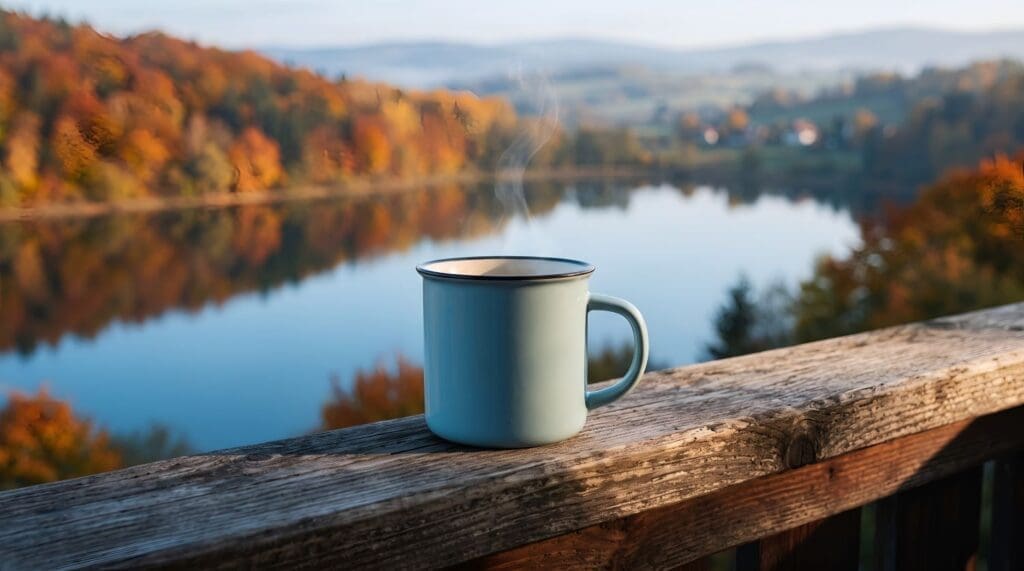
We also covered the value of awe in a previous article, and I want to emphasize its mental health benefits again. I define awe as the positive feeling of being in the presence of something vast that transcends our understanding of the world
Paul Piff, an associate professor of psychology at the University of California at Irvine, has been running field experiments at Lake Tahoe, sending participants out to hike, kayak, or simply take in the scenery. The results show that after two minutes of sitting quietly in the landscape, participants reported a 70% jump in awe and a 33% increase in happiness, a pattern Piff says held across many locations and types of nature experiences.
We now know that awe functions as “a primary driver of feelings of happiness, meaning, purpose and social connection in one’s life,” partly because it puts a person’s big problems into perspective and makes them seem smaller. Professor Piff states. “Feelings of awe connect people to the larger things they are part of, the natural world, the universe, all living things.
His results echo a previous study that tied momentary awe to reduced daily stress and, over time, higher life satisfaction. Travel, in Piff’s view, is an efficient delivery system for awe. “Cathedrals in Europe do this. Ruins in Greece do this. A meal in a night market in Thailand might do this,” he says.
So, in closing, I wish everyone a safe and refreshing long weekend. Maybe consider taking small trips, getaways, or mini vacations throughout the year to gain the mental health benefits and rebuild your resilience.
Frequently Asked Questions
How long does a vacation need to be to be beneficial?
A lot shorter than you would think. The research mentioned above showed that the resilience-building effect can occur with as little as an overnight stay away from home.
Are short getaways any good as long vacations?
They serve different purposes. Longer vacations allow for deeper recovery, and research from the University of Tampere suggests wellness gains keep building until roughly the eighth day. But you can take short trips far more often, and for most working professionals, a getaway they actually schedule beats a longer one they keep postponing.
How often should I take time away?
There is no clinically prescribed number, but some research suggests every 90 days can be achievable and beneficial. Short breaks throughout the year can keep stress lower more often than one annual vacation.
How long do the mental health benefits last?
The immediate mood lift, often called the post-vacation glow, tends to fade within days or weeks after you return. What lasts longer is the resilience, meaning your capacity to handle stress and recover from setbacks. Those benefits can last for up to four months.
Why am I happier before the trip than during or after it?
Anticipation is the reason. Planning a trip gives you something positive to look forward to, and that expectation alone improves how people rate their family life, their health, and their finances. This is one reason booking the next small getaway soon after returning from one is worth doing.
Do I really have to disconnect from work?
Yes, if you want the benefit. Mental detachment is what makes time off restorative. Checking email or taking calls keeps your nervous system in work mode, and it can erase the gains you took the trip to get. Set the boundary in both directions before you leave./ You agree not to call in, and the office is not allowed to call you.
So, does a vacation fix burnout?
No,. A vacation or small trip can interrupt the stress cycle and give you room to recover. While people under crisis-level stress often have the most to gain from getting away from the situation causing the stress. But burnout is usually driven by the conditions you return to. If nothing about the workload, the boundaries, or the role changes, the relief will be temporary. Time away is a useful tool to evaluate where you are and what matters to you. Call my office for more information about how to deal with burnout.
What if I cannot afford to travel far?
Distance is not the point. Novelty and awe are, and both are available close to home. A single night somewhere unfamiliar, a day spent in a landscape that makes you feel small, or a park you have never visited can deliver a meaningful share of the effect. Paul Piff’s field research found that participants reported a sharp rise in awe after only two minutes of sitting quietly in a natural setting.
What does awe have to do with any of this?
Awe is the positive feeling of being in the presence of something vast that transcends our understanding of the world, and it appears to be one of the strongest drivers of happiness, meaning, and connection we know of. It also shrinks your own problems by comparison. Travel is simply an efficient way to encounter it.
Is it too late in the year to take a vacation?
No, this is what I want to emphasize. The end of summer marks the end of a season, not the end of the benefit. Fall and winter getaways carry the same psychological advantages, and they are often easier to book and less crowded.