
What Happens to Your Body When the Clocks Change

As we prepare to spring forward on March 9, 2026, it’s essential to understand how this seemingly minor time change can significantly impact our health and well-being. Our internal clocks, finely tuned to the sun, can become misaligned, leading to disrupted sleep, increased heart rates, and even heightened risks of heart attacks and accidents. Discover the science behind these effects and learn practical tips to ease the transition. From adjusting your sleep schedule to harnessing the power of morning sunlight, find out how to protect yourself during this annual shift and why experts advocate for permanent standard time.
The Hidden Cost of Daylight Saving Time

Daylight Saving Time may seem like a harmless practice, but research reveals its hidden costs on our health and productivity. As our internal biological clocks struggle to align with artificial time shifts, we face chronic sleep deprivation, impaired decision-making, and increased health risks. With nearly two-thirds of Americans wanting to eliminate these time changes, the question arises: should we embrace permanent standard time? Discover how this shift could lead to a healthier, more alert workforce and why the science behind our circadian rhythms demands a reevaluation of our timekeeping practices. Read on to learn more!
Daylight Saving Time and Its Effects on Your Mental Health
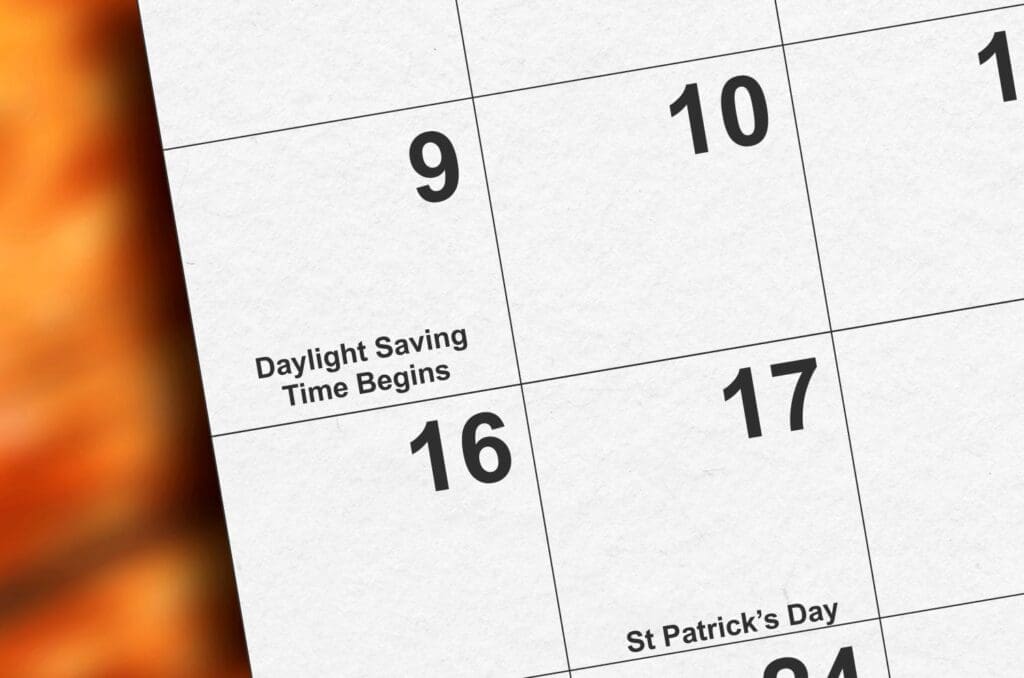
As we prepare to spring forward this March, many of us may not realize the significant impact Daylight Saving Time can have on our mental health. Research shows that even a one-hour shift can disrupt our circadian rhythms, leading to fatigue, decreased productivity, and even serious health risks. With over half of Americans feeling tired after the time change, it’s crucial to understand how to navigate this transition. Discover effective strategies to adjust your routine, prioritize sleep, and maintain your well-being during this challenging time. Read on to learn how to make the most of the upcoming clock change!